Community Engagement Essentials: A Guide to Gathering Insights that Matter
Whether it’s understanding the needs of the people they serve, building trust with their communities, or designing effective programs, community engagement is at the heart of many nonprofits’ missions.
In this post, we’ll explore how nonprofits can use community engagement as a powerful source of data, while also building trust and lasting relationships - starting with the WHO, WHAT, WHERE, WHEN, AND WHY . We’ll also draw on some real-world examples and share practical tips and strategies that can help your organization gather useful information, make data-driven decisions, and maintain strong connections with your community.
The Why:
When planning your community engagement, start with a clear WHY to make sure your engagement activities align with your organization’s goals and deliver meaningful benefits to the community. Do you hope to build relationships and trust? Measure program effectiveness? Gather information to inform program design or planning?
The answer will help to inform your other Ws, as well as set clear goals for your engagement efforts and guide your data capture plan. Getting clear on your why isn't just good practice, it's also the foundation for evaluating whether your engagement efforts are actually working (more on this later!)

Spotlight on Front Step
Community Land Trust
Keeping a Pulse on Community Needs
Community engagement helps nonprofits stay connected, relevant, and responsive to evolving community needs. By maintaining an ongoing dialogue, organizations can proactively surface critical problems and identify areas to focus their resources and conduct further research to have the greatest impact. Regular engagement also fosters trust and a sense of shared ownership. When community members feel valued and heard, they are more likely to support and advocate for the nonprofit, building long-term relationships that strengthen the organization’s mission.
One powerful example of using data for community engagement is the work of Front Step Community Land Trust, a collective of neighbors building community power, thriving neighborhoods, and affordable homes.
Front Step recognized that Missoula renters were navigating a housing market defined by limited supply, rising costs, and significant barriers to finding and keeping stable housing, yet neighborhood-level data to inform anti-displacement policy and tenant protections was largely missing.
With support from a Robert Wood Johnson Foundation grant, Front Step partnered with Impactful Insights to design a community-led renter survey to fill that gap. The survey reached over 1,000 current and former renters through direct mail, door-to-door canvassing, community tabling, and partner outreach. Impactful Insights transformed the resulting dataset into clear, actionable insights, examining affordability, displacement risk, equity gaps, and awareness of community resources across key renter populations.
The findings are now being put to work by a broad coalition of partners to drive policy change, strengthen tenant protections, and expand pathways to homeownership for Missoula renters.
For Missoula renters, the project created a structured, resident-led channel for their experiences to be heard and documented, putting community data directly in the hands of the advocates and policymakers working to shape Missoula's housing future.
Best Practice: Start with clear learning objectives
Before designing your survey or planning your outreach, get clear on what you're trying to learn and why. Front Step and Impactful Insights started by defining specific learning objectives centered on affordability, structural housing inequities, and what policies and supports could prevent displacement. This early alignment shaped every subsequent decision, from survey design to analysis to how findings were communicated, ensuring the resulting data was rigorous enough to drive policy change and clear enough to build public understanding and momentum.
The When:
When using community engagement to gather data for planning, program design, or evaluation, consider the timing of your outreach. This could mean engaging at specific project stages, like planning, mid-program, or post-completion. It could be tied to a recurring cycle, like an annual survey or planning process. Or it could be a more continuous, ongoing dialogue with your community. Deciding WHEN to engage can help ensure that community input is relevant, actionable, and aligned with your program’s goals.
If you’ve used a logic model to guide your organization’s programming (learn more here!), consider when in your model community engagement can provide new data or supplement existing data to help measure and improve the success of your program.
Inputs: Engage the volunteers, staff, and key partners who contribute to your organization’s work. Collect data to understand their motivations, satisfaction, and ideas for improvement. These insights can help your organization refine internal processes, improve volunteer satisfaction, and optimize resource allocation.
Activities: Gather feedback on specific program activities, like workshops, events, or services offered to the community. This information is critical to understanding participant experiences and can highlight areas for improvement, ensuring that the activities meet community needs effectively.
Outputs: While many outputs can be measured using available data on the immediate results of your organization’s activities (e.g. participants served, resources distributed, or services delivered), capturing additional data through community engagement can provide useful context, understanding barriers to accessing services, relevance of offerings, and more.
Outcomes: Community-sourced data on outcomes offers valuable insights into whether your programs are achieving the intended impact and where you may need to adjust strategies to maximize results.

Spotlight on Jewish Family Service of Greater Dallas
Engaging Volunteers as “Inputs” for Program Success
When nonprofits think of community engagement, they often focus on the people they serve. But in some cases, the community you need to engage is those who contribute to the organization's success - your volunteers.
Jewish Family Service of Greater Dallas (JFS) provides critical support to promote self-sufficiency and well-being within the community, and much of its work relies on dedicated volunteers. To ensure a positive and meaningful experience for these volunteers, JFS partnered with Impactful Insights to collect feedback through an annual survey. Data captured through this survey helped JFS to surface challenges, understand motivations, and capture ideas from those on the front lines. These insights led to meaningful changes that improved the volunteer experience, helping JFS maintain the volunteer support it needs to deliver its programming.
The results were shared with a volunteer engagement task force, who helped to add context, brainstorm solutions, and put new ideas into practice.
Best Practice: Engage your inputs, not just your beneficiaries
Your volunteers, donors, and other key stakeholders are also a vital part of your community. Just as you would collect input from the populations you serve, it's essential to engage those who support your organization behind the scenes. Gathering data from these “inputs” provides unique perspectives, insights, and ideas. By understanding what motivates them and what their challenges are, your organization can identify areas for improvement and ensure they remain enthusiastic contributors to your mission.
The What & Where:
WHAT you do to engage meaningfully with your communities can take many forms, each offering valuable insights when supported by data. Surveys, interviews, and focus groups can be powerful tools for gathering direct feedback around community attitudes, needs, and priorities, while social media provides a space for real-time interaction, allowing organizations to provide timely updates, and tap into immediate questions, concerns, or ideas. Holding events in the community - whether workshops, informational sessions, or celebrations - brings people together, offering an opportunity to engage directly with community members and glean insights through informal conversations.
However you choose to engage, be sure that data is at the core of your strategy.
When conducting surveys, interviews, or focus groups, be intentional about the data you want to capture and why. Don’t start by brainstorming questions. Instead, start with clear objectives - what insights do you hope to gain, and how will they drive your decisions? Let those objectives guide which questions to ask. This doesn't just get you better answers, it also keeps the process from becoming burdensome for the people responding.
In social media interactions, keep track of impressions and engagement, as well as common themes, questions, or concerns raised by community members. You can also create quick polls or prompt feedback in comments to capture more structured input.
For community events, take note of recurring topics in conversations, attendance patterns, and demographics, which can reveal who you’re reaching and which topics resonate most.
You might also receive inbound communications from your community through a web form or directly to nonprofit staff. Consider setting up processes to track the frequency, volume, and themes of these conversations.
Also consider WHERE engagement happens, whether online, within offices, or in community spaces. The location or platform can impact both who participates, how much they engage, and the kind of data collected. Be sure to choose spaces that are accessible and relevant to your audience.
By approaching each engagement method with a data-focused mindset, you can continuously adapt and refine the way you engage with your community, while gathering more powerful insights to inform your work.
The Who:
Pay attention to WHO participates in your community engagement, and equally as important - who does not.
Ensuring representation in community engagement data is crucial for capturing an accurate picture of community needs and perspectives. Over or under-representation can introduce bias in your data and findings, leading to misinformed decisions that overlook the experiences of specific groups.
Identifying gaps in participation can highlight potential barriers faced by underrepresented groups and help refine engagement strategies. For example, analyzing survey or event attendance data by demographics can highlight whose voices may be missing, enabling targeted outreach to ensure all community members are welcomed and included. You can use the US Census and other publicly available data as helpful benchmarks of community characteristics
This commitment to complete and accurate representation allows organizations to build truly inclusive programs that reflect and address the unique experiences of their entire community.
Evaluating Community Engagement:
Throughout this article, we've talked about getting clear on your why, being thoughtful about when and how you engage, and paying attention to who's represented in your data. But there's a key piece that ties all of this together: how do you know if your community engagement efforts are actually doing what they’re supposed to?
A strong evaluation plan connects your engagement activities back to your original why, tracks whether you're reaching the people you intended to reach, and helps you understand whether those activities yielded the results you hoped for. It also highlights where there's room to improve.
Spotlight on the Missoula Metropolitan Planning Organization
Building Evaluation Into Public Participation
For organizations whose work depends on public trust and community input, knowing whether your engagement efforts are working is just as important as doing the engagement in the first place.
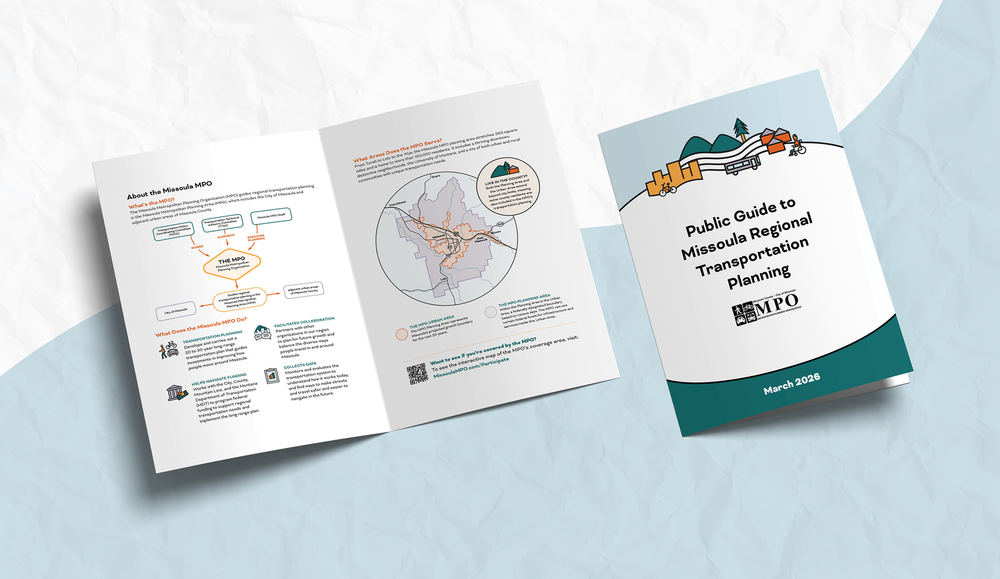
The Missoula Metropolitan Planning Organization (MPO) is responsible for transportation planning across the Missoula area, and public participation is central to that work. When the MPO set out to update its Public Participation Plan, the goal wasn't just to define how and when to engage the community. It was to build accountability into the process from the start, including making sure engagement efforts were working effectively.
Impactful Insights partnered with the MPO to build an evaluation framework alongside the updated Public Participation Plan, designed to answer a few key questions: Were engagement activities implemented as planned? Were they reaching the people they were intended to reach, including underrepresented populations? Did they build trust and transparency with the community? Was the input gathered useful and actionable?
Best Practice: Build your evaluation plan before you launch
Design your evaluation plan before you launch your engagement efforts. Make a plan to gather data at key points, including your activities, outputs, and outcomes, so you can make sure engagement efforts generate actionable insight and identify areas for making improvements.
_______________________________
Done well, community engagement is one of the most powerful data collection tools available to nonprofits. By thinking carefully about the WHO, WHAT, WHERE, WHEN, and WHY, and building in a plan to evaluate along the way, you can make sure your engagement efforts are generating the insights you need and reaching the people you intend to reach.
If you think about it - that's a pretty good return on investment for something you're probably already doing.